Cart
0
You may also like

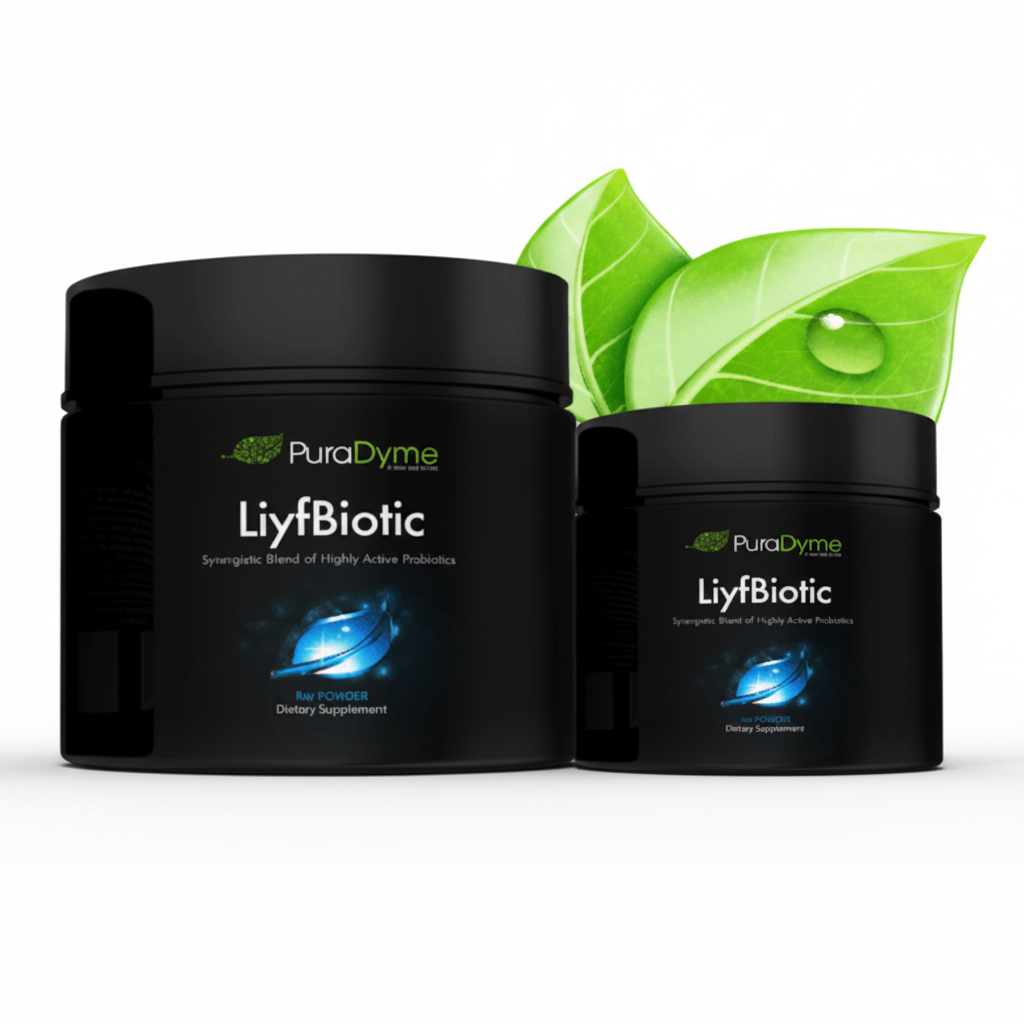
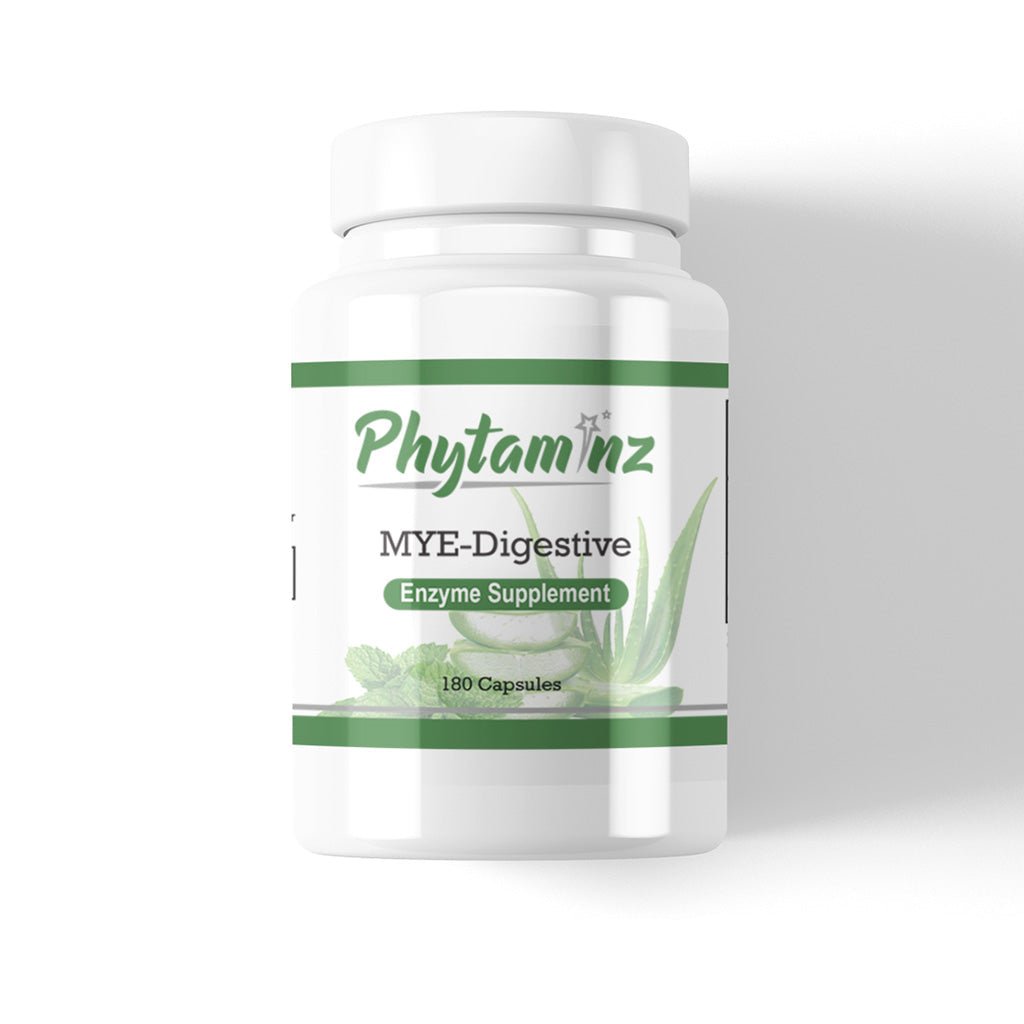
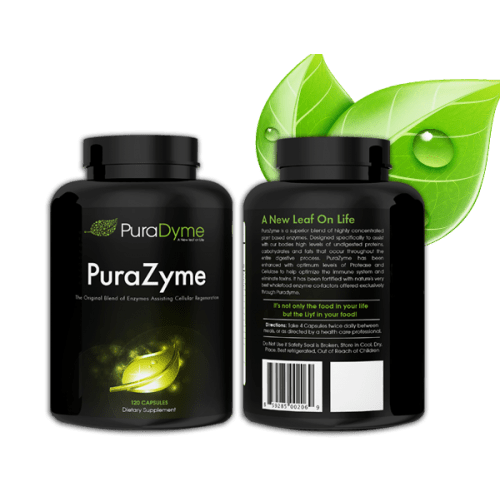


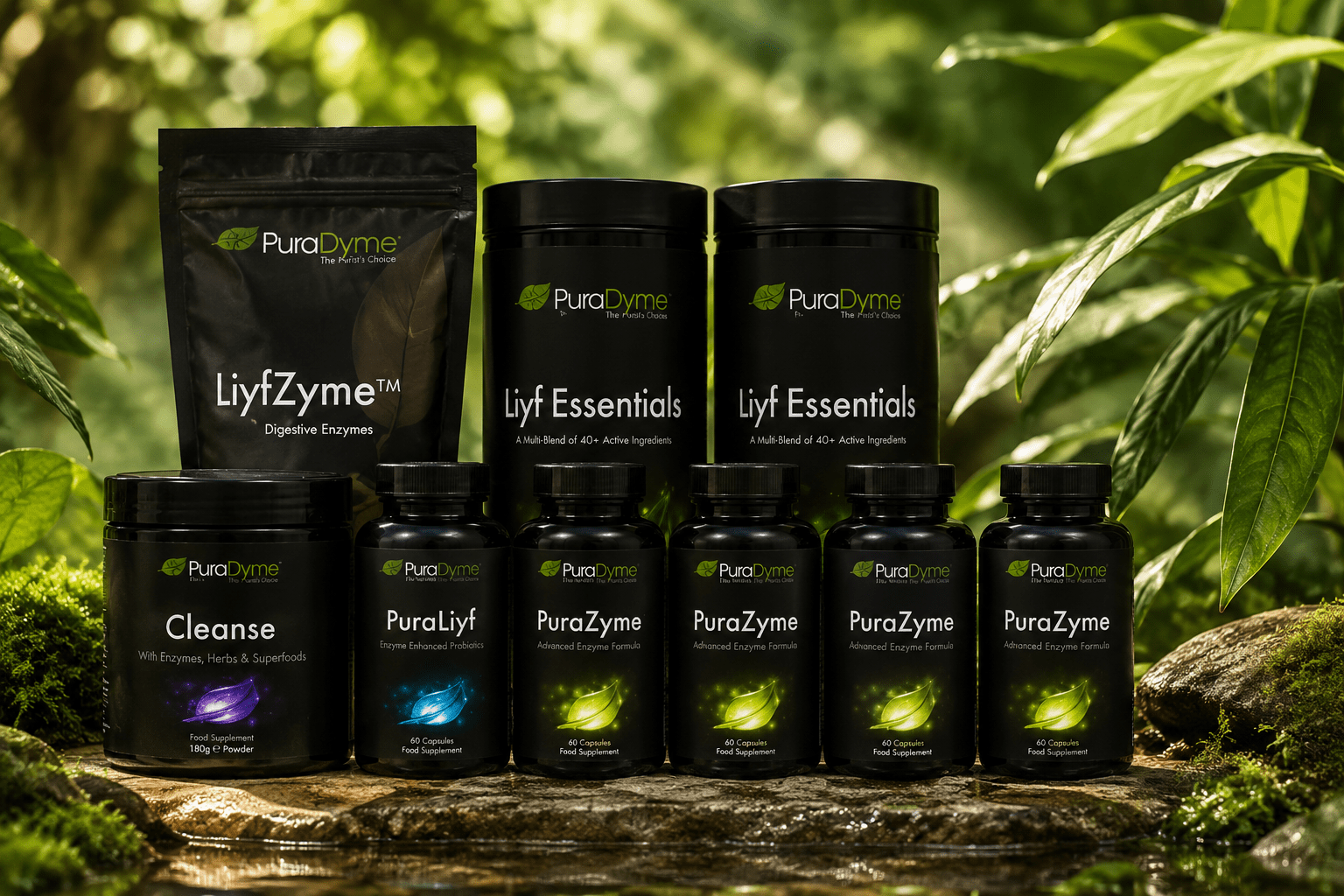
Choosing the right Digestive Enzymes UK supplement can make daily meals feel easier to manage, especially if you want practical support for digestion and nutrient absorption without complicating your routine. The challenge is not finding a product, but finding one that suits the food you eat, your sensitivity level, and the other supplements you already use.
The good news is that you can narrow your options with a few clear checks. You do not need a complicated plan, only a sensible way to compare ingredients, timing, and product fit. That approach also makes it easier to decide where probiotics belong in your gut health routine.
This guide explains what digestive enzymes do, how probiotics fit alongside them, and what to look for before you buy. It also includes practical advice, label checks, and natural references to PuraDyme products that may suit different needs.
Before you buy, look at the formula rather than the front label. A product can sound impressive yet still be poorly matched to your meals, your digestion, or your preferred supplement format. The most useful choice is the one you can take consistently with real meals.
It also helps to think about comfort. Some people want support for rich meals, others prefer a simpler blend for everyday use, and some are better suited to probiotics first. If you compare products by purpose, the decision becomes much clearer.
Different enzyme blends support different meal patterns. If your diet includes a mix of cooked meals, dairy, fats, or fibre-rich foods, a broad-spectrum digestive enzyme can be more useful than a single ingredient. PuraDyme's Digestive Enzymes is a broad, plant-based option designed for mixed food choices.
If you are mainly concerned with one food group, a single-enzyme product may be easier to understand. Lipase Enzyme suits people who want support with fats and oils, while Cellulase Enzyme focuses on certain fibre-related compounds.
If your digestion feels easily unsettled, keep the formula simple and avoid unnecessary extras. A shorter ingredient list can make it easier to spot what suits you and what does not. It also helps if you introduce one supplement at a time rather than changing everything together.
For some people, a product such as Cell Regenerator may be a better fit because it is positioned as a plant-based enzyme supplement for between-meal use. For a gentler daily gut routine, Multi-Strain Probiotics may feel more appropriate than adding several different digestive products at once.
Check which enzymes or strains are actually included, how the product is meant to be taken, and whether the capsule format suits you. A transparent label should help you understand the product quickly. You should also check for ingredients you prefer to avoid, such as gluten, soy, lactose, or artificial additives.
It can also help to compare linked formulas. Enzyme Probiotics combines friendly bacteria with enzyme support, while Multi-Strain Probiotics focuses on daily probiotic use. If you are comparing several options, this sort of side-by-side thinking is often more useful than searching for the most dramatic claim.
Here is a simple comparison of relevant PuraDyme options and how they may fit different routines.

A practical routine matters more than a complicated one. Digestive enzymes usually make the most sense when you take them with food, because that is when they can support the breakdown of what you eat. Probiotics fit differently, since they are often used as a daily habit for gut health.
If you keep the roles separate, the routine is easier to follow. Enzymes can support mealtimes, while probiotics can sit alongside breakfast, another regular meal, or a time of day you remember consistently. That approach also helps you judge what is actually working for you.
For most people, enzyme supplements are best used at mealtimes, especially when meals are larger, richer, or more varied. That timing gives the enzymes a clear job to do. It also keeps the habit simple, because you connect the supplement with the meal itself.
If you eat a mixed diet, a broad formula such as Digestive Enzymes may be more versatile than a single-enzyme product. If you prefer a product aimed at normal digestive and metabolic processes, Cell Regenerator gives you another plant-based option to compare.
Probiotics are often used as part of a steady gut health routine rather than only with a specific meal. That makes them useful if you want consistency rather than complexity. Many people prefer a regular daily pattern because it is easier to remember and monitor.
A product such as Multi-Strain Probiotics is a straightforward place to start if you want friendly bacteria without adding an enzyme blend. If you want both in one format, Enzyme Probiotics may suit a simpler routine.
If you are new to digestive support, introduce one product first and keep everything else steady for a short period. That makes it easier to judge whether a formula suits you.
It also helps to keep notes on meals, timing, and how comfortable you feel after eating.
The best routine is the one you can keep doing. If you dislike juggling several bottles, an enzyme and probiotic combination may suit you better than separate products. If you prefer precision, individual enzymes can make more sense.
For instance, Lipase Enzyme may appeal if you want fat-digesting support, while Cellulase Enzyme focuses on fibre-related digestion support. If you want a broader nutritional routine, Amino Acid and Raw Protein can also fit into a wider wellbeing plan, although they are not digestive enzymes.
Some people also look beyond digestion alone. MSM Supplement is another example of a product that may fit a broader wellness routine, while Herbal Colon Cleanse and Herbal Blood Cleanse are very different from everyday digestion support and should be approached with care and label awareness.
Label reading is where many people make a better decision. Look for the enzyme names, probiotic strains, capsule format, and any co-factors or supporting ingredients. That way, you are buying a product you understand rather than one that only sounds complete.
You should also check how the brand describes the product purpose. Some formulas are built for mealtime enzyme support, some for daily probiotic use, and some combine both. If you know the role before you buy, you are less likely to end up with a supplement that does not match your habits.
Good digestive enzyme labels show you what is inside the formula. That may include protease, amylase, lipase, lactase, cellulase, or other enzymes depending on the product. For probiotics, look for the actual strain names so you know what kind of formula you are comparing.
PuraDyme's Digestive Enzymes lists a broad spectrum of enzymes, while Enzyme Probiotics combines friendly bacteria with enzyme support. If you prefer a multi-strain probiotic alone, Multi-Strain Probiotics is the cleaner comparison point.
The capsule format matters more than people expect. Some readers prefer capsules, while others want a powder or a product that can be mixed into food or drink. That practical detail can decide whether you actually use the supplement every day.
It is also sensible to check for ingredients that suit your dietary preferences. PuraDyme highlights formulas without common unwanted additives in several products, which may appeal if you are trying to keep your routine simple and clean. That is especially useful if you are comparing digestive enzymes for gut health and want a clearer label.
Ask what you want the supplement to do. If you want support with everyday meals, choose an enzyme blend. If you want a gut health habit, choose probiotics. If you want both in one place, a combined product may reduce the number of steps in your routine.
That logic is often the easiest way to choose the best probiotic with digestive enzymes for your needs. It is not about the longest ingredient list. It is about the formula that fits your meal pattern, your tolerance, and your willingness to keep taking it.
Choosing digestive support does not need to be confusing. If you focus on meal timing, ingredient transparency, and a routine you can repeat, you will be in a better position to compare supplements with confidence.
The main lesson is simple. Match the product to the job. Use enzymes with food, use probiotics for steady gut support, and keep your first choice practical rather than complicated.
If you are still unsure, start with one clear goal, then build from there. A calm, consistent routine is usually more useful than buying several products at once.